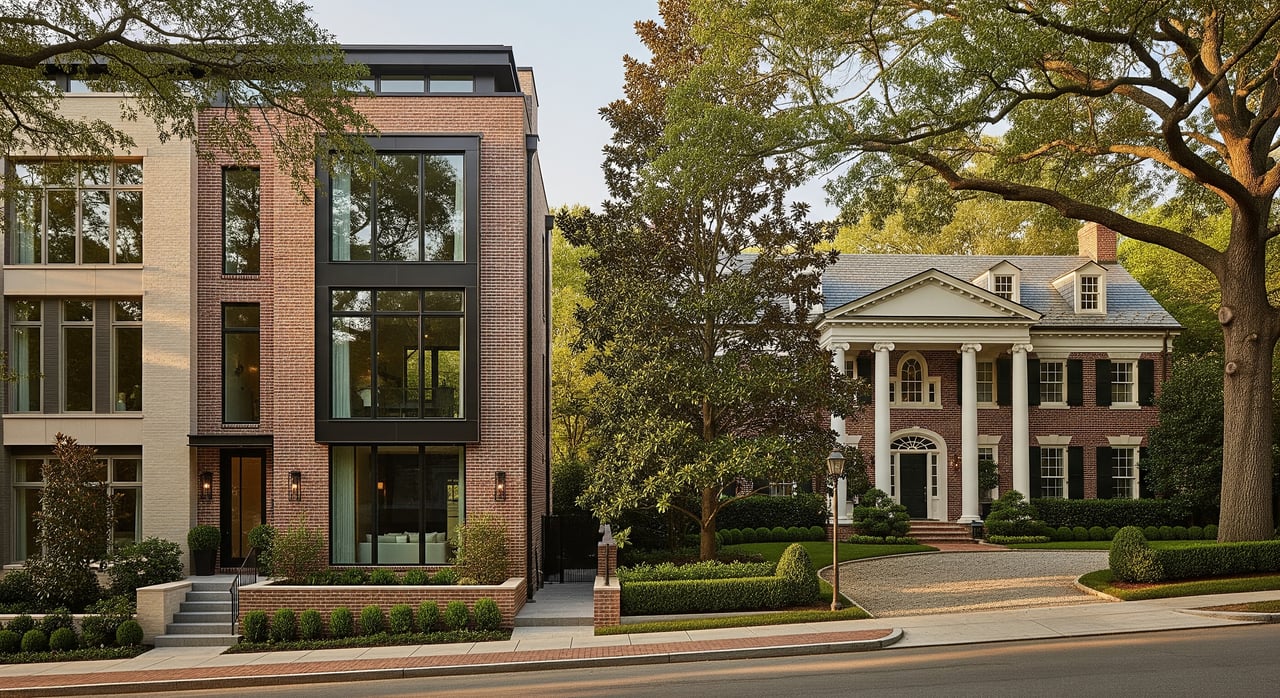
Trying to choose between a townhome and a single-family home in Atlanta? You are not alone. With so many intown options and fast-moving prices, it can be hard to see which path fits your budget, lifestyle, and long-term goals. In this guide, you will learn how these two property types differ on cost, daily living, and resale in the City of Atlanta and greater Fulton County. Let’s dive in.
Atlanta market snapshot: neighborhood matters
In Atlanta’s core intown neighborhoods, you will see many newer townhome communities mixed into established areas like Midtown, Old Fourth Ward, Inman Park, Virginia-Highland, East Atlanta, and the Westside. Builders have added townhome infill on small parcels and near commercial corridors, while detached single-family homes remain across these neighborhoods. Outside the core, detached homes on larger lots become more common.
A townhome often has a lower total purchase price than a nearby detached house because it includes less land. At the same time, townhomes frequently carry a higher price per square foot, especially when they are newer builds in high-demand, close-in areas. Detached homes on larger lots can command a premium, so the best comparison is always neighborhood by neighborhood.
Demand for walkable, low-maintenance living has kept interest high for intown townhomes. Meanwhile, limited buildable land in core neighborhoods pushes up prices for detached homes. Because momentum can shift quickly, compare recent median sale prices and days on market for the specific submarkets you are considering, not the city as a whole.
Cost of ownership: compare the full monthly picture
The best way to compare townhomes and single-family homes is to total your full monthly costs, not just the mortgage. A simple formula helps:
- Total housing cost = Mortgage payment + Property tax + Insurance + HOA dues (if any) + Maintenance reserve
Here is what changes between property types in Atlanta:
Property taxes in Atlanta
Your bill combines city, county, and school millage. Review a property’s tax history and exemptions to understand your annual obligation. You can verify assessments and millage details through the Fulton County Board of Assessors.
Insurance differences
Single-family homes typically use a standard homeowner policy. For townhomes, confirm what the HOA’s master policy covers on the exterior and where your personal policy begins. For consumer guidance on coverage types and costs, visit the Georgia Department of Insurance.
HOA dues and special assessments
Townhomes commonly include exterior maintenance through an HOA. In intown Atlanta, basic HOA dues often range from about $100 to $300 or more per month, and can be higher in full-amenity communities. Always review the HOA budget, reserve study, insurance master policy, and recent meeting minutes. Strong reserves and clear planning lower the risk of special assessments. For background on healthy HOA practices, the Community Associations Institute offers helpful consumer resources.
Maintenance and repairs
- Townhomes: You may have lower direct exterior costs when the HOA covers items like roofs, siding, and common areas. That predictability depends on the HOA’s financial health. Keep a buffer for unexpected assessments.
- Single-family homes: You control the timing of big projects but carry the full cost of exterior, yard, and major systems. A common rule of thumb is to set aside about 1 percent of the home’s value per year for maintenance, adjusted higher for older homes or large lots.
Utilities and reserves
Energy use varies by square footage and building design. Some townhomes share systems or walls that can improve efficiency. Regardless of property type, build a reserve for capital items like roofs, driveway work, and decks so you are ready when those needs arise.
Lifestyle trade-offs: how you will live day to day
Privacy and noise
- Townhomes: Shared walls can transmit noise, especially in older builds. Newer construction often includes better soundproofing. Floor plans are usually vertical with multiple levels, so pay attention to which walls are shared and how rooms stack.
- Single-family: Detached walls and private yards generally provide more privacy. Lot size, trees, and home placement also influence the feel.
Parking and guest access
- Townhomes: Parking can include 1–2-car garages, alley-loaded garages, driveways, or street parking. Some communities have limited guest spaces and rules that restrict curb parking. Check community rules and City of Atlanta permit zones if you rely on on-street parking.
- Single-family: Driveways and garages are common, with more room for guests on your own property. Street parking may still be regulated depending on the neighborhood.
For details on local plans and transportation access that affect daily life, explore the City of Atlanta Department of City Planning and review MARTA maps for rail and bus connections.
Outdoor space and maintenance
- Townhomes: Expect smaller private areas like patios, small yards, or rooftop decks, plus shared green space. Yard work and exterior upkeep are often lighter when managed by the HOA.
- Single-family: Larger yards give you room to garden, play, and expand. That flexibility comes with more time and cost for landscaping and maintenance.
Walkability and transit
Many intown townhome communities are built near restaurants, shops, BeltLine access points, and transit corridors. Single-family homes vary widely by neighborhood, with some highly walkable blocks near parks and others that are more car-oriented. Evaluate nearby transit, bike lanes, and planned improvements when comparing addresses.
Appreciation and resale: managing risk in Atlanta
What tends to drive value
- Land scarcity: Within core neighborhoods, detached single-family lots are limited and can appreciate strongly, especially where lot sizes are larger or redevelopment is constrained.
- Location: Close proximity to Midtown, Downtown, parks, and dining boosts demand for both property types.
- New supply: Ongoing townhome construction can add inventory that may cap appreciation in certain pockets, while the limited supply of detached lots can support values for single-family homes.
- Product age and quality: Newer, energy-efficient townhomes often command higher price per square foot. Well-maintained historic homes in desirable areas also perform well.
Townhome-specific risks
- HOA health: Low reserves, pending special assessments, or litigation can reduce buyer demand and impact resale value.
- Product glut: If many similar units list at once in the same community, it can dampen prices temporarily.
- Buyer preferences: Some buyers still prefer detached homes, which can narrow the buyer pool for specific townhome styles.
Single-family-specific risks
- Deferred maintenance: Major issues like roof, foundation, or HVAC can reduce appeal and require price adjustments.
- Lot and zoning surprises: Irregular lots or nearby zoning changes can affect long-term desirability.
Flood risk and planning
Some intown and near-river neighborhoods sit in flood zones, which can impact insurance costs and resale. Always confirm a property’s status using the FEMA Flood Map Service Center. Also review neighborhood plans and upcoming improvements through the City of Atlanta Department of City Planning, as new parks, trail segments, or transit projects often boost demand.
Which one fits your goals? A quick guide
Choose a townhome if you want:
- Lower direct exterior maintenance and a more predictable upkeep plan.
- Walkable, close-in living near amenities and transit.
- Newer construction with modern finishes at a lower total price than many nearby detached homes.
- A community setting and are comfortable with HOA rules and fees.
Choose a single-family home if you want:
- More privacy, yard space, and control over your property.
- Flexibility for additions, outdoor projects, or pets.
- Fewer HOA constraints, while accepting greater responsibility for maintenance.
- Strong land-value exposure in neighborhoods where lots are scarce.
Due diligence checklist for Atlanta buyers
Use this list to compare two properties on equal footing before you decide:
- Pull recent neighborhood data: median sale price, price per square foot, days on market, and sale-to-list ratios for the last 6–12 months. Use local MLS data and keep it neighborhood-specific.
- Review HOA health for townhomes: budget, reserve study, insurance master policy, and the latest meeting minutes. Look for adequate reserves and planned timelines for capital projects. Guidance from the Community Associations Institute can help you understand best practices.
- Confirm property taxes: check current and historic bills through the Fulton County Board of Assessors. Note exemptions and projected changes.
- Verify flood zone: search the address on the FEMA Flood Map Service Center and factor potential flood insurance.
- Get insurance quotes: consult a licensed agent and use the Georgia Department of Insurance for consumer resources.
- Estimate maintenance: for detached homes, start with about 1 percent of value annually and adjust for age and lot size. For townhomes, plan for interior systems plus HOA dues and potential assessments.
- Check parking: confirm on-site spaces, guest parking, and any city permit requirements if you plan to use street parking.
- Assess access and amenities: review MARTA service, bike routes, and future plans via the City of Atlanta Department of City Planning.
- Confirm financing: ask your lender about any HOA underwriting, project classification, or program rules that could affect loan options for a specific townhome community.
How La'Tep can help
Choosing between a townhome and a single-family home comes down to how you live, what you value, and how you want your money to work over time. Our team pairs education with hands-on guidance, so you see the full picture before you write an offer. We coordinate mortgage, insurance, and closing resources through our brokerage partner to streamline your path from search to keys.
If you are comparing intown neighborhoods to nearby suburban options, we will help you weigh trade-offs at the submarket level, from HOA health and flood zones to parking rules and resale trends. Ready to run the numbers on your short list and tour the best fits for your lifestyle? Connect with La'Tep Real Estate Group to schedule your free bilingual home consultation.
FAQs
What is cheaper month to month in Atlanta, a townhome or a single-family home?
- A townhome often has a lower mortgage due to a lower purchase price, but you must include HOA dues, insurance, property taxes, and a maintenance reserve to see the true monthly total.
Do townhomes appreciate as well as detached homes in Atlanta?
- In the same desirable location, detached homes often capture more land-value appreciation, though walkable, scarce intown townhomes can appreciate strongly and may outpace distant detached options.
What HOA risks should I check before buying an Atlanta townhome?
- Review the HOA’s budget, reserve study, insurance master policy, and recent meeting minutes; low reserves or pending special assessments can reduce buyer demand and affect resale.
How does flood risk affect Atlanta properties?
- Flood zones can increase insurance costs and impact resale; verify any address on the FEMA Flood Map Service Center and factor potential flood insurance into your budget.
Is financing a townhome different from a house in Atlanta?
- Many loans treat townhomes similarly to detached homes, but lenders still review HOA stability and insurance; confirm with your lender whether project classification or HOA factors affect your loan program.
How should I compare maintenance costs for a house vs. a townhome?
- For detached homes, start with about 1 percent of the home’s value each year and adjust for age and lot size; for townhomes, budget for interior systems plus HOA dues and possible special assessments.