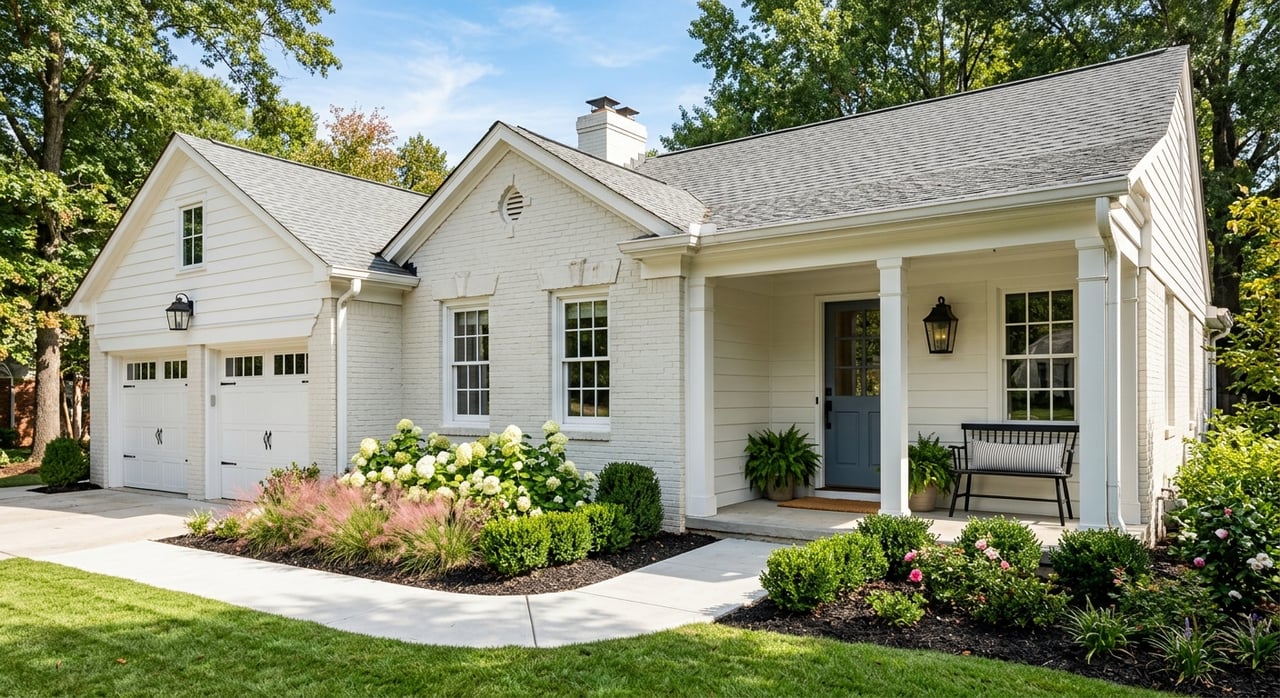
How to Prepare an Older Atlanta Home for Sale
July 23, 2026
July 23, 2026
If you own an older Atlanta home, you may be asking a big question right now: what should you fix before you sell, and what can you leave alone? In a market with more listings and buyers who can compare options more carefully, presentation and condition matter. The good news is you do not need to overhaul everything to make a strong impression. With the right prep plan, you can focus your time and budget where it counts most. Let’s dive in.
Atlanta’s housing market still has healthy demand, but buyers have more choices than they did in the tightest recent markets. The April 2026 Atlanta REALTORS Market Brief reported 19,224 active listings, a 4.4-month supply, and average days on market of 19.
That means your home can still sell well, but it needs to show clearly, feel cared for, and avoid obvious red flags. For older homes especially, buyers often notice small signs of wear and may assume bigger hidden problems are waiting behind them.
One of the biggest mistakes sellers make with older homes is jumping straight into a full remodel. In most cases, that is not the safest resale strategy.
Research on resale-minded improvements points toward visible, contained updates over major custom renovations. If your home has true condition issues, those should come first. If it does not, smaller updates usually make more sense than tearing out kitchens or starting large design projects right before listing.
When you are preparing an older Atlanta home, it helps to think in three layers.
This order helps you protect your budget and reduce surprises. It also keeps you focused on the issues most likely to affect buyer confidence.
Older homes often come with a few common risk areas. These are the issues you should review before spending money on style updates.
If your home was built before 1978, lead-aware prep matters. Federal lead-based paint disclosure rules generally apply to most pre-1978 housing, and Georgia says sellers of target housing must provide known lead information and allow buyers a 10-day testing period.
If you are planning any repair work that disturbs old painted surfaces, be careful. Peeling, cracking, or damaged old paint can create dangerous lead dust, and lead-safe work practices are important when renovation or repair will disturb those surfaces.
In Georgia, wood-destroying organisms are another important older-home issue. The Georgia Department of Agriculture says the Official Georgia Wood Infestation Inspection Report is the written report used to note evidence of wood-destroying organisms and conditions that can lead to infestation, and it is used as the basis for transfer of real property in Georgia.
This is not a structural report, but it can still affect a sale. If you suspect termite activity or visible damage, it is wise to address that early.
A pre-sale inspection can help uncover concerns in areas like the roof, plumbing, electrical systems, HVAC, drainage, and safety hazards. These are the kinds of issues that can cause buyers to pause, ask for credits, or walk away.
If your older home has a roof leak, outdated electrical concern, HVAC problem, or visible moisture issue, those repairs usually deserve more attention than decorative upgrades. Buyers tend to forgive an older style more easily than signs of neglected maintenance.
For many sellers, a pre-listing inspection is one of the most useful steps in the process. NAR recommends considering one because it can identify trouble areas before your home goes live.
That can help you avoid last-minute surprises during negotiations. It also gives you a clearer picture of what needs to be fixed now, what you can price around, and what paperwork or estimates you may want ready for buyers.
Before you start exterior updates, check the property’s zoning, overlay, or historic district status. In Atlanta, the scope of work and district can determine whether permits or additional reviews are required.
The City of Atlanta says certain repair work under $10,000 on eligible residential structures may not require a permit or permit fee. That exemption list includes items like painting, floor or wall coverings, kitchen cabinets, interior doors, limited drywall repairs, gutters, siding, and some non-structural porch or deck repairs.
There is one very important exception for older homes in special areas. The city says these general exemptions do not apply the same way to exterior work on landmark or historic-district properties, where a Certificate of Appropriateness and different thresholds may apply.
If your home is in a landmark or historic district, do not assume a simple exterior refresh is automatically allowed. Even repairs that seem minor may need review depending on the property and the work involved.
That is why checking first can save you time, money, and stress. It is much easier to plan correctly than to redo work or delay your listing.
Once safety and maintenance items are handled, turn to the updates buyers see first. For older Atlanta homes, this is often where the best return comes from.
Painting is one of the most commonly recommended seller prep steps. A fresh coat of paint can help older interiors feel cleaner, lighter, and better cared for without changing the character of the home.
Neutral paint also helps buyers picture their own furniture and style in the space. In older homes with stronger colors or worn trim, this can make a noticeable difference.
Visible first impressions matter. Research on remodeling projects found strong cost recovery for a new steel front door and a new fiberglass front door.
That does not mean every seller needs a new door. But if your front entry feels dated, worn, or damaged, this is a focused upgrade that can improve curb appeal without turning into a large renovation.
Basic curb appeal work still matters. Clean walkways, tidy landscaping, trimmed shrubs, swept porches, and a neat front entry all help buyers feel more confident before they walk in.
For older homes, exterior wear can shape buyer expectations quickly. A clean, maintained outside often helps the whole property feel more trustworthy.
Not every strong listing improvement comes from a contractor. Some of the most effective prep work is simple, affordable, and easy to overlook.
NAR’s seller prep guidance emphasizes decluttering, deep cleaning, gathering warranties, getting replacement estimates for big-ticket items, and improving curb appeal. These tasks are especially valuable in older homes, where buyers are already watching closely for signs of wear.
Too much furniture, crowded shelves, and packed closets can make an older home feel smaller and more dated. Removing extra items helps rooms feel more open and lets buyers focus on the home itself.
Try to create clear pathways and open sightlines. That helps each room feel easier to understand and easier to imagine living in.
A deep clean is one of the most cost-effective things you can do before listing. Pay close attention to floors, baseboards, windows, kitchens, baths, and lighting fixtures.
In an older home, even small grime buildup can make buyers question maintenance. Clean surfaces send the opposite message.
If you have warranties, service records, receipts, or repair documentation, keep them organized. If an older system is still working but nearing the end of its life, replacement estimates can also be helpful.
This kind of preparation shows buyers you have been thoughtful and transparent. That can make conversations smoother once offers come in.
You do not need expensive decor to stage effectively. What matters most is helping buyers picture daily life in the home.
According to NAR’s 2025 staging survey, 83% of buyers’ agents said staging made it easier for buyers to visualize the property. The rooms most commonly staged were the living room, primary bedroom, and dining room.
For an older Atlanta home, simple staging usually works best. Focus on neutral colors, good lighting, reduced clutter, and furniture placement that shows how the room functions.
You want buyers to notice the space, not the styling. A bright living room, restful bedroom, and clean dining area can go a long way.
If you are wondering whether to renovate everything before listing, the answer is usually no. In a market with more inventory, buyers still care about condition, but that does not mean every older home needs a top-to-bottom transformation.
A better strategy is often to repair what could cause concern, refresh what buyers see first, and keep the home clean, bright, and easy to understand. That approach tends to protect your budget while still helping your home compete.
The strongest sales usually come from clear planning, not rushed spending. If you own an older Atlanta home, start by identifying condition issues, checking local permitting or district rules, and choosing a few visible improvements that support buyer confidence.
When you prep in the right order, your home can show its character without letting age become the whole story. If you want guidance on how to prepare your home for today’s market, La'Tep Real Estate Group can help you create a smart, local selling plan.
By pairing my real estate knowledge with the support of the largest real estate company in Georgia, Better Homes, and Gardens Real Estate Metro Brokers, We offer our clients everything they need – real estate, mortgage, insurance, and closing services.
La'Tep Real Estate Group
3350 Steve Reynolds Blvd #205 Duluth GA 30096