Downtown Duluth Living Guide for Dining and Events
June 4, 2026
June 4, 2026
Want a neighborhood where dinner plans, coffee runs, and community events can all happen without a long drive? Living near Downtown Duluth gives you that kind of everyday convenience, along with a lively public space that feels active in every season. If you are thinking about buying or selling near this part of Gwinnett, it helps to understand what daily life actually looks like here. Let’s dive in.
Downtown Duluth has built a strong reputation as a walkable destination for dining, entertainment, shopping, and small-town charm. The core centers on Town Green, Parsons Alley, and Main Street, which gives the area a compact feel that is easy to enjoy on foot.
That matters if you want more than just a house. It means your lifestyle can include quick coffee stops, casual dinners, public events, and outdoor gathering spaces all within the same downtown district.
One of the biggest draws of living near Downtown Duluth is how many food and drink options sit close together. Parsons Alley, in particular, has become a central dining and retail area where you can move from breakfast to lunch to dinner without leaving downtown.
This creates a rhythm that feels easy and flexible. You are not planning your whole day around traffic or parking every time you want to meet friends, grab a bite, or pick up a coffee.
If you enjoy starting your day out of the house, downtown gives you a few easy choices. Maple Street Biscuit Company in Parsons Alley serves breakfast and lunch daily, and it also offers outdoor seating and a pet-friendly patio.
Alchemist On The Divide adds another simple everyday stop for coffee. Since it is located right under Maple Street Biscuit Company, it helps anchor that morning routine in the middle of downtown.
Downtown Duluth is not just a dinner district. It supports a wide mix of casual meals and sit-down options throughout the day.
A few notable walkable dining spots include:
Because these places are clustered around the downtown core, it is easier to enjoy variety without needing a car for every outing. That convenience can shape how you spend your evenings and weekends.
Downtown Duluth also has an open-container zone established by the city. In practical terms, that allows patrons to buy drinks from licensed downtown merchants and enjoy them while spending time on the green or walking through the district.
That setup helps downtown feel social and relaxed. Instead of moving from one indoor venue to the next, you can enjoy the public spaces in between.
Restaurants matter, but the public spaces around them are what make downtown feel like a place to stay awhile. Town Green is the central gathering lawn, and it is designed for more than just passing through.
The area includes outdoor public seating on Town Green, Parsons Alley, and Main Street. That simple feature makes a real difference because it supports a slower, more connected daily pace.
Town Green functions as the main event lawn in downtown Duluth. It includes an interactive fountain and space that regularly supports performances, gatherings, and seasonal activities.
When you live nearby, this is the kind of amenity you notice often. It becomes a place for an evening walk, a weekend stop, or an easy meetup spot in the middle of town.
Downtown has continued adding spaces that strengthen its appeal. The Nancy Harris Pavilion and Train Observation Deck, which opened on March 31, 2026, created another public spot next to the library and in front of the historic Calaboose.
This gives downtown another layer beyond restaurants and shops. It adds more ways to enjoy the area as part of your everyday routine.
The city’s 2024 railroad Quiet Zone reduced routine train-horn noise at several downtown crossings. For people considering life near the downtown core, that detail can matter.
It supports the idea that downtown is designed to be lingered in. Combined with outdoor seating and active gathering spaces, it helps create a more comfortable pedestrian experience.
Some downtown districts look great on paper but feel quiet most of the time. Downtown Duluth stands out because its public spaces are programmed throughout the year, not just during one or two big festivals.
That can be a major lifestyle benefit if you want a neighborhood with energy and variety. Living nearby means events are not a special trip. They can simply be part of your normal week.
Recent city coverage shows a steady calendar of events in the downtown area. In spring 2025, the Spring Arts Festival brought more than 100 artists, food, free outdoor yoga, and family activities to Town Green.
In spring 2026, Little Beer VI brought together more than 80 breweries, along with live music and an artist market. Events like these show that downtown draws both regular local activity and larger seasonal crowds.
The calendar is not limited to major festivals. Flicks on the Bricks continues on the second Friday of each month through October, turning Town Green into a recurring movie-night destination.
That kind of consistency matters if you are deciding where to live. It means downtown offers regular, built-in opportunities to get out and enjoy the area without having to search for plans.
Downtown Duluth’s events also feel varied rather than repetitive. Explore Gwinnett’s 2026 Multicultural Week event page highlights international food trucks, live music, henna, photo opportunities, and a free, family-friendly street atmosphere in the heart of downtown.
The district also stays active during the holidays and winter season. In 2025, Noon Year’s Eve in Parsons Alley included a dance party, crafts, free face painting, a Kids New Year’s Resolution Station, and a noon countdown.
The strongest case for living near Downtown Duluth is not just one restaurant or one event. It is the combination of walkable dining, active public spaces, and nearby housing that supports a live-near-everything lifestyle.
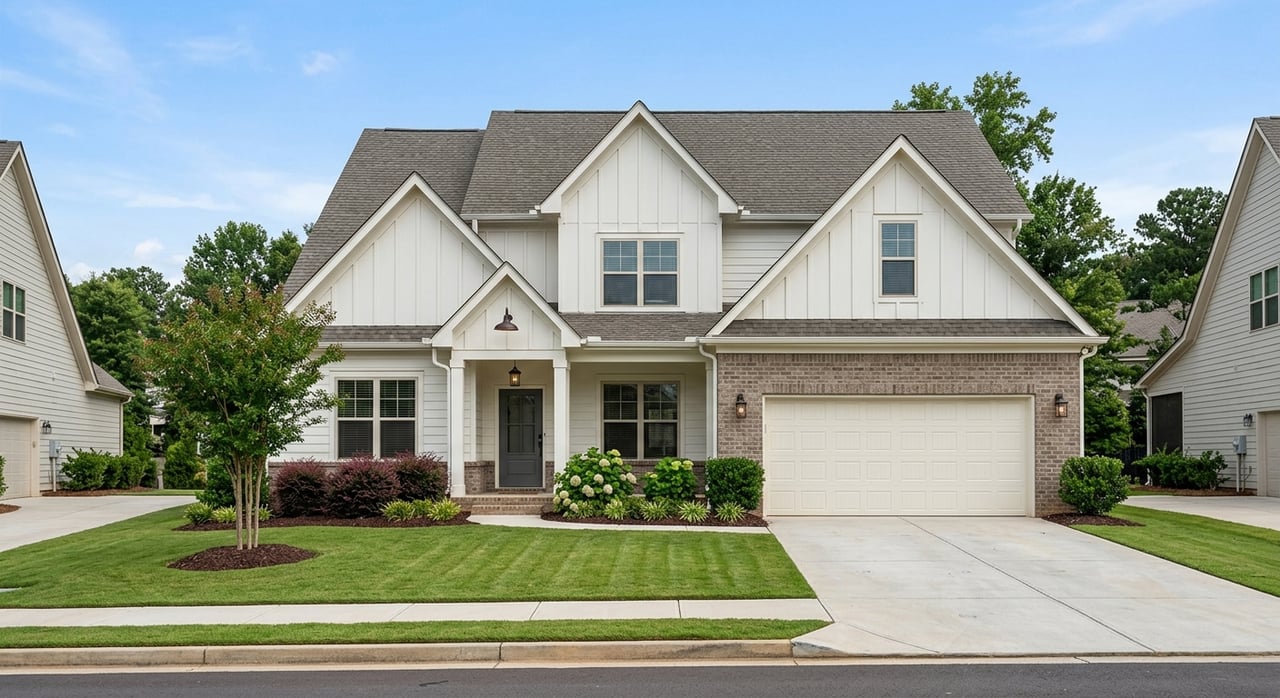
The area around Town Green connects to a mix of established neighborhoods, newer townhomes, and mixed-use projects rather than one uniform housing style. That gives buyers a broader range of ways to live near the downtown core.
Downtown is tied into nearby residential areas instead of sitting apart from them. The city’s Willbrooke Connector project created a direct walking link from an established neighborhood into downtown and onward to South on Main.
That connection allows residents to reach dining, shopping, theater, green space, and the library on foot. For buyers who value convenience, that kind of planning can make a real difference in how a location feels day to day.
City materials describe downtown-adjacent housing that includes The Park at Parsons Town Square next to City Hall, South on Main between Hill and Main, and the Gardendale townhome project within walking distance of downtown.
Taken together, these examples support a clear picture of the area. This is a compact district with different residential options near the action, not a one-size-fits-all neighborhood.
If you want a home base where you can step out for coffee, meet friends for dinner, spend time on the green, and enjoy a full event calendar, Downtown Duluth offers a strong lifestyle match. The appeal is less about speed and more about access, convenience, and being close to places where people actually gather.
For sellers, that lifestyle can also be an important part of how you position a home near downtown. Buyers often respond to what daily life feels like, and in this part of Duluth, the walkable mix of dining, events, and public space is a meaningful part of the story.
If you are exploring homes near Downtown Duluth or thinking about how to market a property in this area, La'Tep Real Estate Group can help you make sense of the neighborhood, the housing options, and the next steps with clear, local guidance.
By pairing my real estate knowledge with the support of the largest real estate company in Georgia, Better Homes, and Gardens Real Estate Metro Brokers, We offer our clients everything they need – real estate, mortgage, insurance, and closing services.
La'Tep Real Estate Group
3350 Steve Reynolds Blvd #205 Duluth GA 30096