Atlanta Condo vs Townhome: Picking the Right Fit
July 9, 2026
July 9, 2026
If you are choosing between a condo and a townhome in Atlanta, the biggest difference may not be what you see from the curb. Two homes can look almost identical from the outside, but come with very different rules, costs, insurance needs, and resale considerations. If you want to buy with fewer surprises, it helps to understand what really separates these property types before you make an offer. Let’s dive in.
In Atlanta, attached housing plays an important role in the city’s housing mix. City planning materials identify townhomes as part of the city’s “missing middle” housing options, along with other low- to mid-density homes that help add more choices in and around connected areas.
That matters if you are looking for a home closer to intown districts, walkable corridors, or transit-connected areas. Condos and townhomes often appear in these parts of Atlanta, so understanding the tradeoffs can help you narrow your search faster and make a more confident decision.
The word “condo” describes a legal form of ownership. Under Georgia law, a condominium owner owns an individual unit along with an undivided interest in the common elements, and that ownership is defined by recorded condominium documents such as the declaration, plats, and plans.
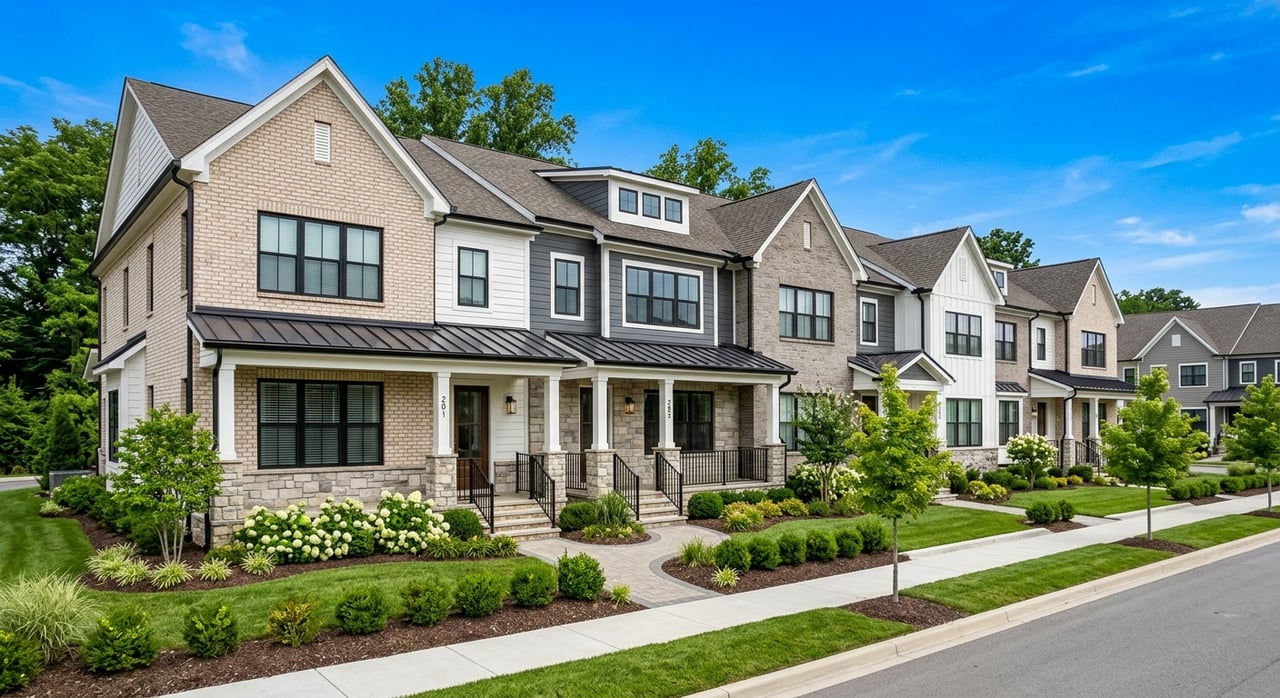
A townhome, by contrast, is often a physical style rather than a legal category. Some townhomes are fee-simple homes with HOA membership, while others are legally condominiums. That means the exterior design alone does not tell you what you are actually buying.
This is one of the most important points for Atlanta buyers. Two attached homes with similar layouts, garages, and square footage can come with very different ownership structures.
That difference can affect:
If a property is marketed as a “townhome,” you should still verify the recorded legal description. In some cases, the home is legally a condominium even if it looks like a fee-simple townhouse.
Many buyers focus first on the monthly HOA or condo dues. That is understandable, but the better question is: What does the fee actually cover?
Condo associations often handle more shared structural responsibilities than a typical subdivision HOA. Dues may cover items like roof responsibility, exterior maintenance, common areas, and portions of the master insurance policy.
With many townhome communities, the setup can be different. Some associations cover only shared spaces and community rules, while more maintenance responsibility stays with the owner. That is why a lower monthly fee does not always mean a lower long-term cost.
Georgia law requires condo associations to carry property and liability insurance that extends beyond just the common hallways or amenities. The required coverage includes the full insurable replacement cost of buildings and structures, including common elements, limited common elements, foundations, roofs, exterior walls, and certain interior components of each unit.
That can be a major benefit for some buyers who want a more predictable maintenance structure. But it also means you should review exactly where the association’s coverage stops and where your own policy needs to begin.
Both condo associations and property owners’ associations in Georgia operate with formal governance requirements. Condo associations must hold annual meetings and provide reports on finances, affairs, and budget projections. Property owners’ associations also hold annual meetings and may enforce community rules.
For you, this means the association is not just a background detail. It has a direct effect on your monthly costs, how maintenance is handled, and what rules may apply to things like rentals, approvals, and property use.
Before you submit an offer on a condo or townhome in Atlanta, ask to review the association documents carefully. Key items include:
These documents can reveal whether a community is well managed, financially prepared, and aligned with how you want to live.
If you are financing your purchase, the project itself may matter almost as much as the unit. This is especially true with condos.
Fannie Mae requires lenders to determine whether condo, co-op, and PUD projects meet project eligibility standards before a loan can be delivered. HUD also notes that FHA condo single-unit approval applies only in limited situations and still depends on project conditions such as completion, minimum size, concentration limits, owner occupancy, and financial condition.
For a condo, lenders and buyers often look beyond the individual home. They may review the budget, reserves, insurance, litigation, assessment history, and other project-level details.
That means a beautiful unit in a weak project can be harder to finance than a more modest unit in a strong one. If you want flexibility at resale, this is worth paying close attention to now.
In Atlanta’s spring 2026 housing market, the median sale price was $429,238 and the average days on market over the prior three months was 54. In a somewhat competitive market, details that create financing friction or higher ownership uncertainty can influence how smoothly a home sells.
That does not mean condos are automatically harder to resell or townhomes are always easier. It means project health, dues, reserve funding, special assessments, and rules can all shape buyer demand when it is time for you to sell.
When you compare a condo and a townhome, consider asking:
These questions can help you think beyond move-in day and protect your future options.
Here is a simple way to think about the choice.
The key is not to assume based on the label. In Atlanta, “townhome” can describe the building style, but the legal structure may still function like a condo.
The best choice depends on your budget, lifestyle, loan type, and tolerance for shared rules and shared financial decision-making. For some buyers, a condo offers welcome simplicity. For others, a fee-simple townhome provides a stronger sense of ownership control.
Either option can work well if you understand the documents and compare the true carrying costs. When you look closely at ownership structure, association coverage, financing standards, and project health, the right fit usually becomes much clearer.
If you want help comparing attached homes in Atlanta or the North Atlanta suburbs, La'Tep Real Estate Group can guide you through the details, explain the tradeoffs in plain language, and help you choose with confidence.
By pairing my real estate knowledge with the support of the largest real estate company in Georgia, Better Homes, and Gardens Real Estate Metro Brokers, We offer our clients everything they need – real estate, mortgage, insurance, and closing services.

La'Tep Real Estate Group
3350 Steve Reynolds Blvd #205 Duluth GA 30096