Is an Atlanta Townhome a Smart Rental Investment?
April 2, 2026
April 2, 2026
Wondering if an Atlanta townhome can actually make sense as a rental investment? You are not alone. Many buyers and small investors like the idea of lower-maintenance ownership, but they also want to know if the numbers, HOA rules, and financing realities work in real life. This guide breaks down what current Atlanta-area data suggests, where townhomes may offer better value, and what to review before you buy. Let’s dive in.
If you are comparing Atlanta to nearby north metro suburbs, the first thing to know is this: Atlanta often has a lower entry price than several popular suburban markets. According to Zillow home value data, Atlanta's average home value is $381,549, with average rent at $1,888 and median days to pending at 73.
By comparison, Sandy Springs is at $672,238, Roswell is $639,094, Alpharetta is $708,620, and Johns Creek is $684,152. While some of those markets post higher rents, the purchase prices rise much faster than the rent does, which can tighten cash flow for a rental buyer.
That does not mean suburban townhomes are a bad investment. It means you need to look closely at the relationship between purchase price, expected rent, HOA costs, and financing terms before assuming a higher-rent area will automatically perform better.
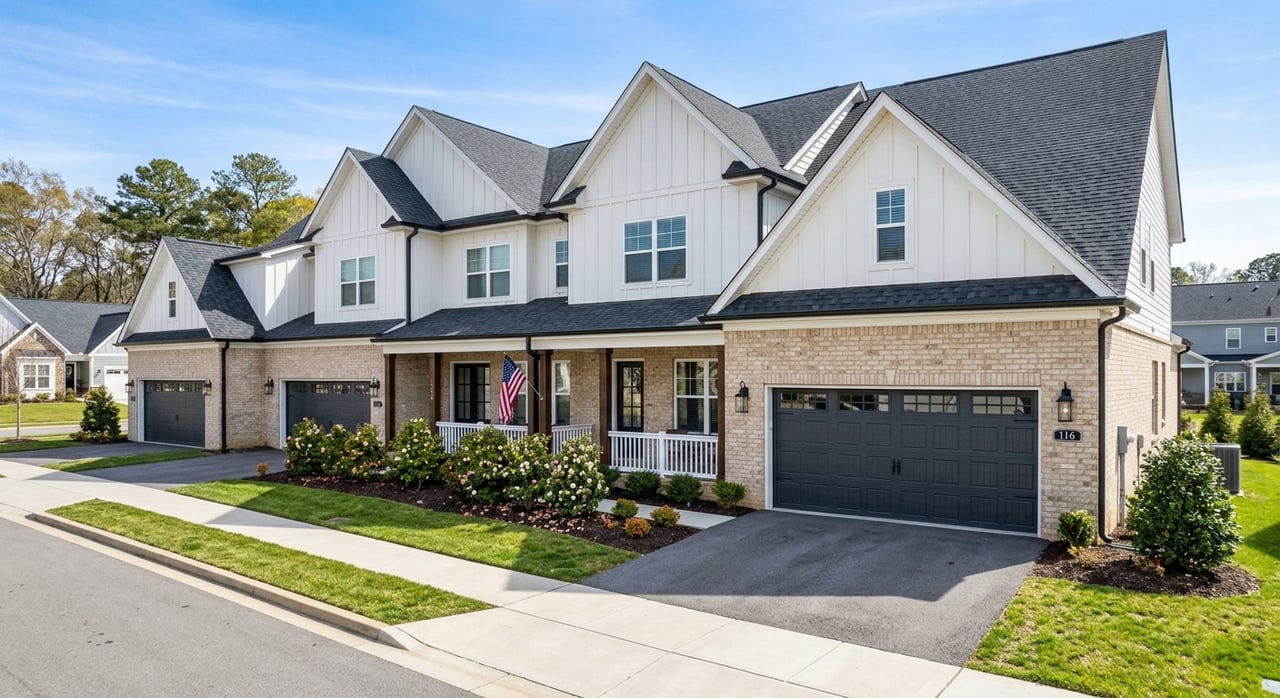
For many small investors, townhomes sit in an attractive middle ground. They may offer a lower-maintenance experience than a detached home, especially when the HOA covers items like landscaping, lawn care, exterior maintenance, roof maintenance, water, sewer, trash, or even internet in some communities, based on current listing examples.
That can matter if you want a property that is easier to manage over time. Fewer exterior maintenance surprises can make holding a rental feel more predictable, especially if you are balancing a job, family responsibilities, or another home.
Townhomes can also be a practical option if you plan to buy as an owner-occupant first. According to HUD's FHA 203(b) program overview, eligible buyers may finance a primary residence with about 96.5% financing, and the CFPB notes that FHA loans can require as little as 3.5% down, while some conventional primary-residence loans can go as low as 3% down.
Current listing snapshots show a wide range of price and rent combinations across Atlanta and nearby suburbs. These are not townhome-wide medians, but they do offer a useful look at what many small investors may actually encounter.
For example, one Atlanta 3-bedroom, 3-bath townhome in 30316 is listed at $403,877 with a $160 monthly HOA. A Brookhaven-area Atlanta 3-bedroom, 3-bath townhome is listed at $489,000 with an estimated rent of $2,700. In Sandy Springs, a 3-bedroom, 4-bath townhome is listed at $465,000 with an estimated rent of $2,500, based on current Zillow examples.
In Roswell, examples include a 3-bedroom brick townhome at $650,000 with a $450 monthly HOA, plus another townhome around $600,900 with a Rent Zestimate of $3,274. In Alpharetta, examples include a 2-bedroom, 3-bath townhome at $530,000 with a $365 monthly HOA, along with rental examples around $2,800 per month and some higher-end units reaching much more, based on Roswell and Alpharetta listing snapshots.
Using sample listing pairings, the rough gross yields come out to about:
These figures come from the pricing and rent examples in the research snapshot and are illustrative only, not cap-rate calculations. They also do not include taxes, insurance, vacancy, HOA dues, or repairs.
Still, they point to a useful trend. In many cases, mid-market Atlanta and nearby areas like Sandy Springs may offer a more balanced price-to-rent relationship than some of the highest-priced suburban communities.
The biggest factor many buyers underestimate is the HOA. Monthly HOA dues in the examples above range from $160 to $540 per month. That is a meaningful expense, and it can quickly change whether a townhome feels like a smart rental or a frustrating one.
A higher HOA is not automatically bad. If it covers major exterior items or useful utilities, it may reduce your maintenance burden and lower the chance of surprise repair costs. But if the dues are high and the coverage is limited, your monthly cash flow may feel much tighter.
You also need to watch for special assessments. A townhome may look easier to manage on paper, but a sudden association cost can change your numbers fast.
In Georgia, legal details around leasing matter just as much as the rent estimate. A 2020 Georgia law amendment says an association instrument generally cannot be amended to stop a non-owner-occupied lot from continuing to be leased for an initial term of six months or longer, although the lot must conform after a conveyance for value.
That is helpful context, but it does not replace your own due diligence. Lease minimums, rental caps, approval processes, and other association rules can still affect whether a townhome works for your plans.
A 2024 Georgia legislative brief also notes that rental properties must be fit for human habitation and that security deposits are capped at two months' rent. For a landlord, those are basic rules worth understanding early.
Before you go under contract on an Atlanta-area townhome, make sure you review the details that affect both cash flow and flexibility.
Ask for the recorded declaration, current rules, and any recent updates. You want to confirm rental caps, lease minimums, approval requirements, and whether any rule changes may affect future leasing.
Do not assume all townhome communities include the same services. Verify whether exterior maintenance, roof work, landscaping, water, sewer, trash, or internet are included.
A low-maintenance property can become expensive if the association has deferred repairs or upcoming projects. Ask directly whether there are pending or recent special assessments.
Use actual listing-based rent examples as a starting point, not a guarantee. If the expected rent is too optimistic, your cash flow may disappear once vacancy, repairs, taxes, insurance, and HOA dues are added back in.
If you are buying a pure investment property, financing is usually less flexible than it is for a primary residence. According to Freddie Mac's conforming guidelines, a one-unit investment property is capped at 75% of value, and 2- to 4-unit investment properties are capped at 70%.
That means you should expect a much larger cash requirement for a rental purchase. For many buyers, that alone changes the return profile.
There is another layer if you hope to use rental income to qualify. Fannie Mae says lenders generally count 75% of gross monthly rent, and Freddie Mac uses a similar 75% factor in rental-income calculations. Freddie also treats monthly debt service, including association fees where applicable, as part of the analysis.
In plain terms, a high HOA can reduce both your monthly cash flow and your borrowing power. That is especially important for house hackers, move-up buyers keeping a former home as a rental, or anyone trying to stretch into a second property.
Based on the current data, Atlanta townhomes often make the most sense when three things line up:
That pattern appears more clearly in mid-market Atlanta, Sandy Springs, and some Roswell examples than in the highest-priced Alpharetta communities. In other words, the best rental townhome is not always the newest or most expensive one. It is often the one with the most workable numbers after all the real costs are included.
If you plan to live in the townhome first and rent it later, the opportunity can look stronger. Lower down payment options for owner-occupants may make your entry easier, and the townhome format can be appealing if you want a simpler maintenance profile.
This strategy may be especially useful if you want to build long-term flexibility without taking on the full upkeep of a detached home. You still need to verify HOA rules and future rental options, but for some buyers, this is where townhomes become much more practical.
So, are Atlanta townhomes a smart rental investment? They can be, but only when you verify the details before you buy. The strongest opportunities tend to be townhomes with a reasonable purchase price, realistic rent potential, manageable HOA dues, and clear leasing rules.
If you are thinking about buying a townhome in Atlanta or the north metro area, it helps to review the numbers and the HOA documents before you commit. The right property can be a solid lower-maintenance hold, especially for house hackers and move-up buyers. If you want help comparing options in North Atlanta and surrounding suburbs, connect with La'Tep Real Estate Group for a free bilingual home consultation.
By pairing my real estate knowledge with the support of the largest real estate company in Georgia, Better Homes, and Gardens Real Estate Metro Brokers, We offer our clients everything they need – real estate, mortgage, insurance, and closing services.
La'Tep Real Estate Group
3350 Steve Reynolds Blvd #205 Duluth GA 30096